
Hydrogen This Week: The Cheapest Kilogram Is the One You Can Move
China opens a 195 km hydrogen pipeline, Denmark signs a backbone-linked grant and Abu Dhabi plans an export port. Why delivery now drives hydrogen cost.
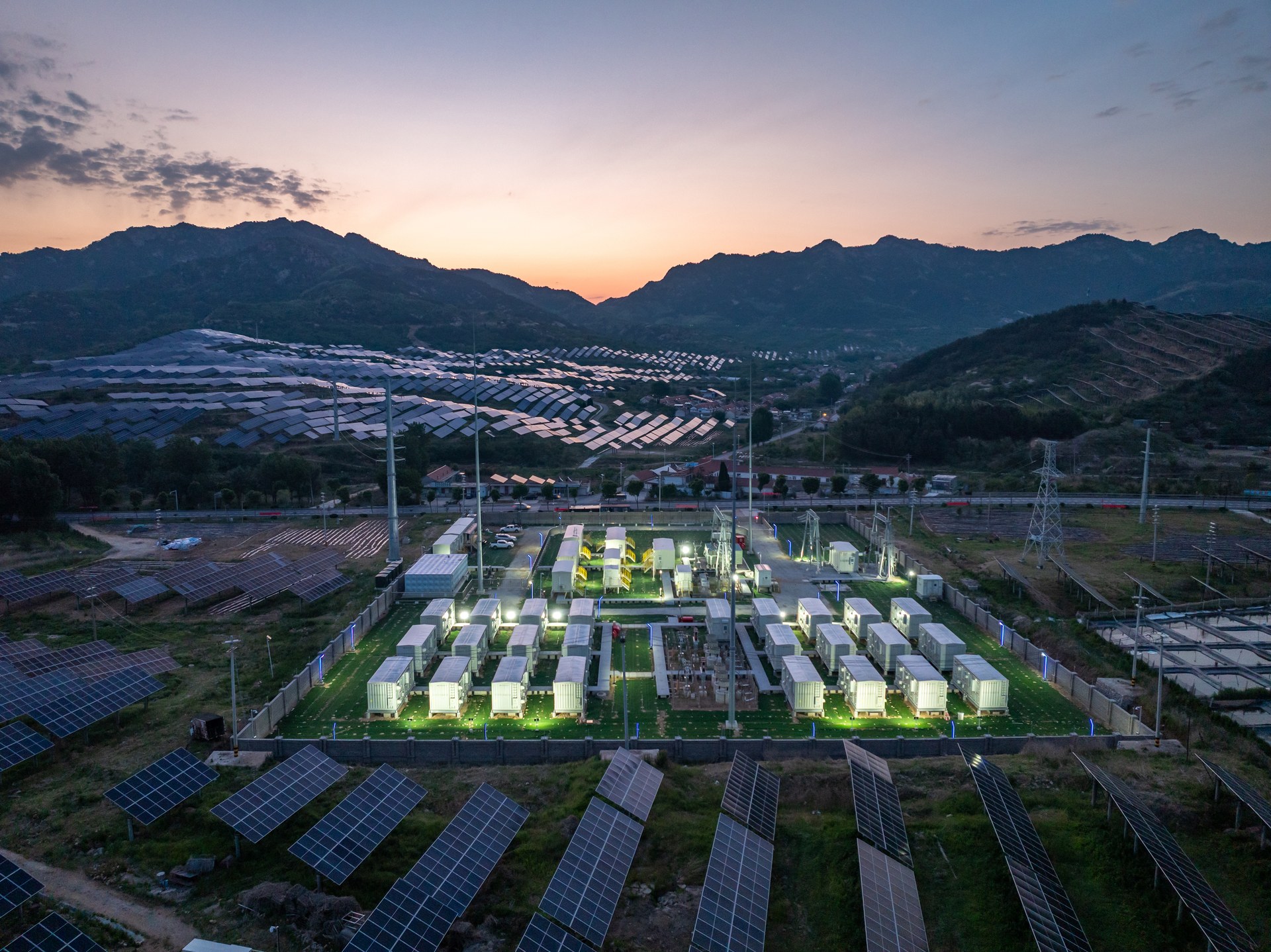
Hydrogen and industrial resource conversion
Engineering the Future of Clean Energy.
OceanBlocks™ advances hydrogen, industrial resource conversion and energy infrastructure opportunities that address two global challenges: securing the energy economies depend on, and decarbonising the fuels they cannot simply electrify. We are focusing first on Asia and Europe.
Our development process brings together feedstocks, sites, technology rights, industrial partners, offtake, capital and delivery.
Our priorities
Focusing first on Asia and Europe. We position our technology wherever the infrastructure and feedstocks are right.
From import-dependent economies in Asia to European industry replacing long-standing supply, energy security now depends on where energy comes from, how it moves and who can build and run the systems behind it. We assess how local resources, resilient architectures and in-country capability could reduce exposure to supply and price shocks.
Explore energy securitySteel, chemicals, shipping and high-temperature industry need lower-carbon molecules as well as cleaner electricity. We test hydrogen and fuel pathways from feedstock to buyer, covering inputs, carriers, corridors, certification and cost, before they advance.
Explore fuel decarbonisationPotential benefits, not achieved results. Results depend on site, resource and contract.
Technology-led development
Our technology strategy focuses on advanced hydrogen production and resource conversion pathways for suitable industrial applications. Each opportunity is assessed for technical fit, available inputs, operating requirements and commercial viability. Where appropriate, OceanBlocks integrates complementary partner technologies.
OceanBlocks was formed to commercialise technology developed by our research arm through more than ten years of engineering development and pilot testing across a range of feedstocks. In-house software analyses project data and tests the economic case for and against each opportunity.
Our market development is focusing first on Asia and Europe.
Explore our technologyTechnology
Our technology-led opportunities are qualified against evidence and project requirements; third-party technologies may be incorporated where they strengthen a proposed solution.
Potential application; subject to feasibility
Hydrogen production pathways for suitable industrial users, qualified against available inputs, operating requirements and evidence.
Potential application; subject to feasibility
Routes to recover hydrogen, energy and other useful products from suitable residues and feedstocks.
Potential application; subject to feasibility
System configurations designed around site operations and, where appropriate, complementary partner technologies.
Suitability, outputs, environmental performance and costs are project-specific and require validation. This website does not represent any commercial installation or operating plant.
Where it applies
Industry and digital infrastructure need more reliable power than grids can supply on their timelines.
The cost: projects wait for power.
Residues and by-products are paid to dispose of, or left unused.
The cost: value leaves the site as waste.
Infrastructure takes too long to move from study to construction.
The cost: opportunities pass.
Industrial systems are exposed to supply and price shocks.
The cost: operations at risk.
Energy availability. Resource productivity. Delivery certainty. Industrial resilience.
Infrastructure decisions are shaped by four practical constraints: access to dependable energy, productive use of materials and by-products, delivery schedules, and exposure to supply and cost volatility. OceanBlocks evaluates these factors in the context of each proposed site.
Our approach
The gates test whether a project can be built, owned and financed. They do not promise that it will be.
At each gate, one of five decisions
Solutions
Make the decision before making the investment.
A defined technical and commercial assessment can be the first stage of an OceanBlocks development opportunity. It establishes whether a proposed industrial energy or resource conversion project warrants further engineering and investment. It ends in one of the five gate decisions, with the conditions and evidence behind it.
Potential benefit: A clear, evidence-based decision before capital is committed. Results depend on site, resource and contract.
An assessment may include
Pricing is proposal-based. Final scope, fee and timetable are agreed before commencement.
Suitable residues and feedstocks evaluated for hydrogen, energy and other recoverable outputs.
Site, feedstock, technology, partners, offtake, approvals and capital assembled for execution.
Protected routes to technology integration, localisation and regional manufacturing.
Resilient industrial energy architectures, tested against load, reliability and economics.
Who we work with
Potential benefits, not achieved results. Results depend on site, resource and contract.
Potential hydrogen supply, more predictable energy and heat, and residues turned from cost to value, where validated.
Discuss an industrial hydrogen opportunityLocal industrial capability, resilience, skills and diversification, through gated agreements.
Arrange a government briefingA qualified route to integration, licensing and regional manufacturing, with protected IP.
Explore technology and manufacturing partnershipAccess to projects that have passed defined gates, with transparent technology-risk status.
Request an investor introductionMarkets
Import exposure, industrial demand and fuel regulation are creating a defined need for secure, lower-carbon energy infrastructure in both regions. Beyond them, we position our technology wherever the infrastructure and feedstocks are right, applying the same selection criteria to every opportunity.
Where we are focusingFocus regions
Focus region
Focus region
These describe the contexts we are focusing on. They do not indicate signed projects, partners or endorsements.
Insights
China opens a 195 km hydrogen pipeline, Denmark signs a backbone-linked grant and Abu Dhabi plans an export port. Why delivery now drives hydrogen cost.
Energy changes economics through more than production costs. Infrastructure, customers, capital and technology rights determine how a resource becomes useful industrial capability.
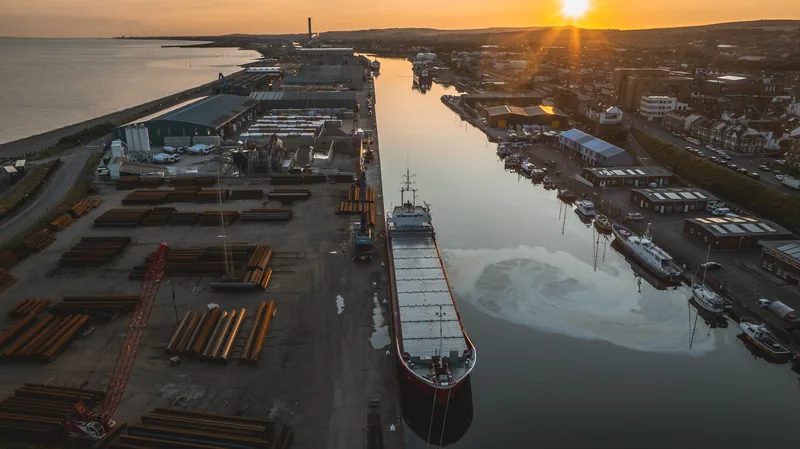
Producing a molecule and creating a market are different tasks. Specifications, delivery, pricing and credible evidence connect lower-emissions products to customers.
Contact
Route 01
Route 02
Route 03